
A presentation at Property Management by Editor
The Hidden Costs of Ignoring Signage Permits in NYC —- What Every Property Manager Should Know
In New York City, signage is more than branding. It’s regulated construction activity governed by zoning, building codes, licensing, and safety rules. When property managers and developers skip permits or treat them as an afterthought, the “savings” evaporate into DOB fines, OATH penalties, forced removals, project delays, and lost tenant revenue. In a market where time-to-open and public-facing compliance impact leasing velocity, ignoring sign permits is a fast way to burn budget and credibility.
NYC requires permits for most signs above minimal thresholds, and installations must be performed or supervised by a licensed Sign Hanger. Violations can trigger five-figure penalties, repeat summonses, and even 5x default penalties if hearings are missed. Correcting after the fact is slower, costlier, and disruptive to tenants. The smarter strategy: integrate permitting into procurement and construction workflows from day one, and partner with a licensed, insured, and NYC-savvy sign installation company that can manage approvals, engineering, and safe installation.
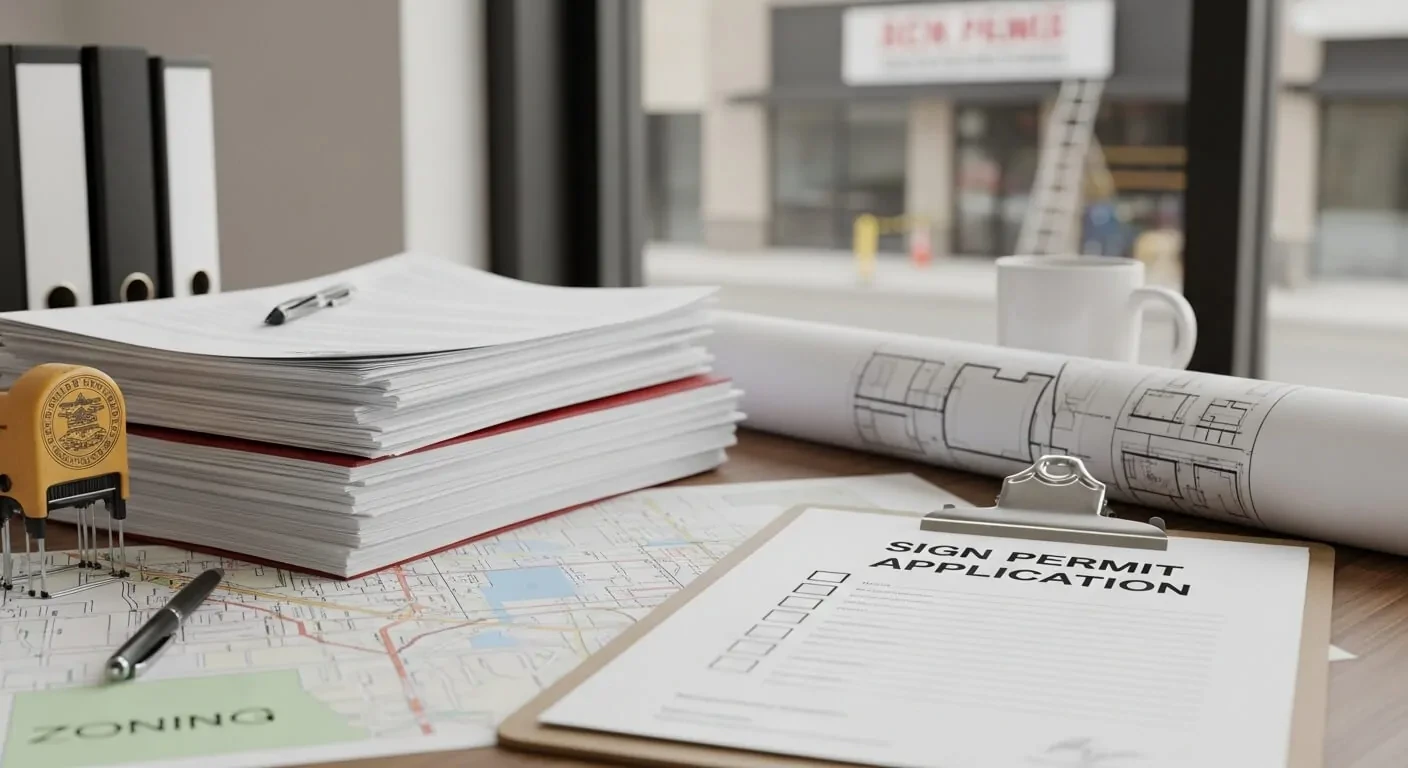
Unpermitted installs. Most signs larger than 6 sq ft or illuminated require permits; painted-on façades and some very small, non-illuminated signs are exceptions. Teams that “just hang” a sign to meet an opening date often trigger violations, removals, and re-fabrication.
Wrong license or no license. NYC Administrative Code §28-415.1 requires a licensed Sign Hanger to perform or directly supervise sign installations; there are distinct Master and Special Sign Hanger licenses. Using unlicensed labor may void permits, invalidate insurance positions, and invite enforcement.
Penalty stacking. Class 1 (immediately hazardous) sign violations can carry $10,000 for a first offense and $25,000 for subsequent violations, while some Class 2 penalties typically range from $800—$1,250+ then escalate. Miss your OATH hearing and the default penalty can be 5x the standard amount.
Forced downtime. DOB can order removal or correction. That means shutoffs, equipment re-mobilization, re-engineering, and re-fabrication —- all while tenants, retailers, and leasing teams lose visibility and footfall.
Bottom line: Permit shortcuts often cost more than doing it right —- and they hit when it hurts most: right before or right after a launch.
The Zoning Resolution dictates where signs may be installed, how large, how high, how far they may project, and whether they may be illuminated. Advertising signs are banned in most commercial districts; there are also restrictions near arterial highways and public parks. Translation: you can be fully engineered and still be zoning-noncompliant —- and therefore unpermittable.
Small business signs ≤ 6 sq ft (non-illuminated) and certain painted signage may not require permits, while many temporary signs over 30 days do require permits. Even when a permit is not required, the sign still must comply with zoning. Misreading these thresholds invites enforcement.
NYC differentiates between Master Sign Hanger (broad authority) and Special Sign Hanger (specific size/weight scope). Regardless of size, NYC requires appropriate licensing to request permits or perform sign hanging. This is where out-of-state vendors fail; NYC is not a “handyman” market.
Expect filings through DOB NOW: Build, with relevant forms (e.g., PW1) and electrical permits for illuminated signage. Project sequencing —- zoning review, drawings, structural load checks, energy/code notes, and licensed supervision —- is essential to avoid rejections and stop-work orders.
On active construction sites, signage is tightly controlled: permitted sidewalk sheds and fences have mandated posting rules, and only allowed information panels may be installed by authorized parties. Drop a brand banner on the wrong shed and you may invite immediate corrective action.
A storefront branding New York program that respects zoning envelopes (size, projection), neighborhood character, and lighting limits will clear approvals faster and avoid “value-destroying” redesigns. Use a signage partner that models lines of sight, legible typographic scale, and illumination levels within code.
NYC façades vary widely (landmark masonry, curtainwall, EIFS, composite panels). Engineering must address substrate conditions, wind loads, stand-off systems, anchors, and safe access. Over-the-counter bracketry can invalidate permits and insurance. A licensed installer will coordinate shop drawings and sealed calcs where required.
Street conditions (bus stops, bike lanes), sidewalk sheds, and curb lane rules dictate lift selection, staging, and flagging. Competent firms produce site safety plans, MOPs, and coordinate with building management and security. That reduces tenant disruption and accelerates time-to-visible.
Even compliant signs fail if illumination hotspots, glare, or misalignment reduces readability. Professional outdoor signage for business must deliver uniform lighting, correct color temperature, and consistent brand geometry. That’s how you convert visibility into walk-ins and leasing confidence.
Changes in tenancy or rebranding often require permit amendments or new permits. Temporary banners beyond 30 days may need permits; illuminated signs require electrical sign-offs. Managing a portfolio means tracking expiration dates, inspections, and OATH calendars to avoid 5x default penalties.
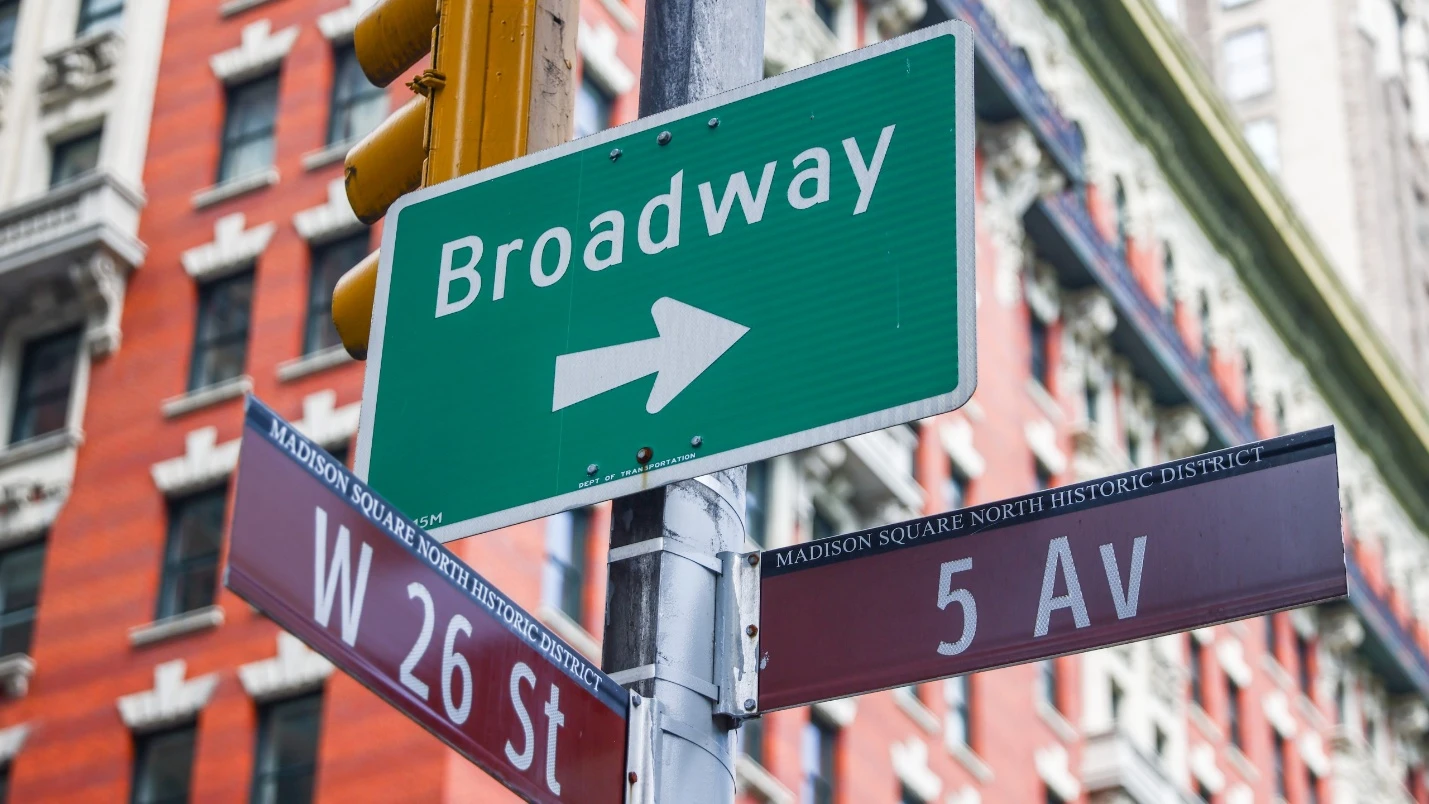
A national retailer fast-tracked façades in Manhattan and Queens using a non-NYC vendor. Result: unlicensed installation and no DOB filings. Class 1 summons led to immediate hazardous designation, a $10,000 first-offense penalty, removal orders, and re-fabrication. Opening weekend visibility lost; landlord demanded compliance plan within 48 hours. Lesson: Always verify Sign Hanger license and DOB filing timeline before fabrication.
Developer mounted a large promotional banner to a sidewalk shed without verifying permitted content. Enforcement required immediate removal, issued fines, and delayed leasing signage for model units. Lesson: Treat shed/fence signage as a distinct compliance track with code-allowed content only and authorized installers.
A simple lightbox swap at a Brooklyn storefront triggered an electrical scope and permit requirement. Attempting a quick swap without filings caused a stop-work and missed promotion window. Lesson: Illuminated equals electrical permit + DOB filings, even if “like-for-like.”
A national sign installation company Easy Way Install coordinated simultaneous openings. NYC required licensed Sign Hanger + DOB filings; sign installation Chicago and sign installation Austin had different thresholds. The portfolio lead standardized a permit matrix per city and insisted on NYC-specific licensing for the New York scope. Lesson: Use a vendor with multi-city experience and deep NYC code fluency to keep national calendars intact.
10) Pre-fabrication zoning check and drawing review. 11) Permit calendar with reminders for inspections, renewals, and OATH hearing dates to prevent 5x defaults. 12) Quality standards: illumination levels, color temperature, typographic visibility testing.
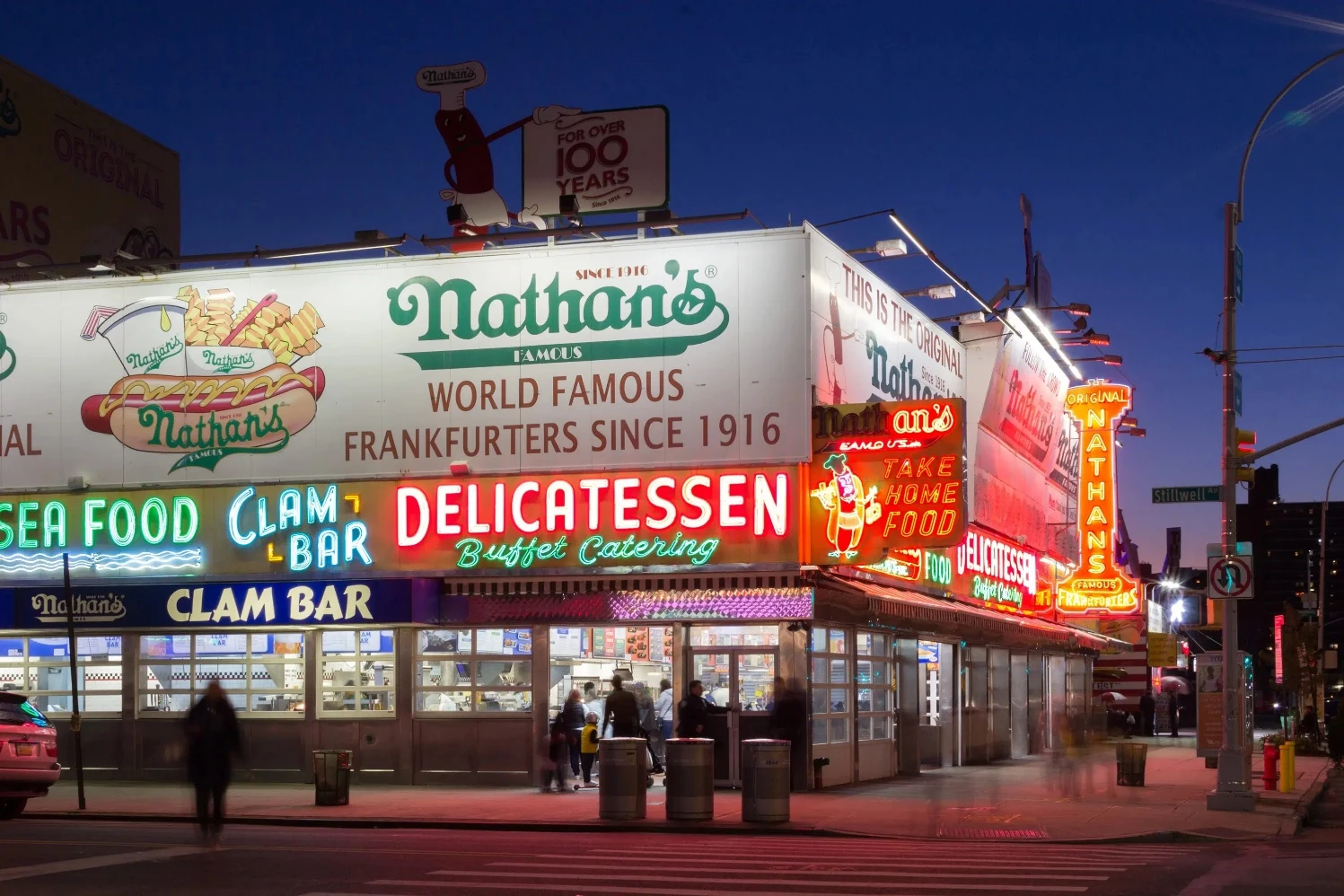
Permits are not bureaucracy for its own sake; in NYC they are the mechanism that protects public safety, ensures code-fit design, and accelerates predictable openings. The direct costs of skipping permits —- $10,000+ penalties, removal orders, re-fabrication, defaulted OATH fines at 5x, and reputational harm —- dwarf the time and fees required to do it right. A licensed, NYC-savvy partner delivers: tighter schedules, fewer surprises, safer installs, and faster brand visibility that supports leasing and sales.
If you manage a portfolio across boroughs —- or coordinate with teams in Chicago and Austin —- the answer isn’t to lower standards; it’s to standardize NYC compliance within your broader signage program and select a partner that can operate at national scale with New York specificity.
Easy Way Install is a New York—focused sign installation company serving property managers, real estate developers, general contractors, and national retail. We deliver end-to-end execution: site survey → engineering coordination → permitting support → safe installation → maintenance.

 for free. You
can too.
for free. You
can too.